Author: Jackson Brunsting
The Year of the Eucharist
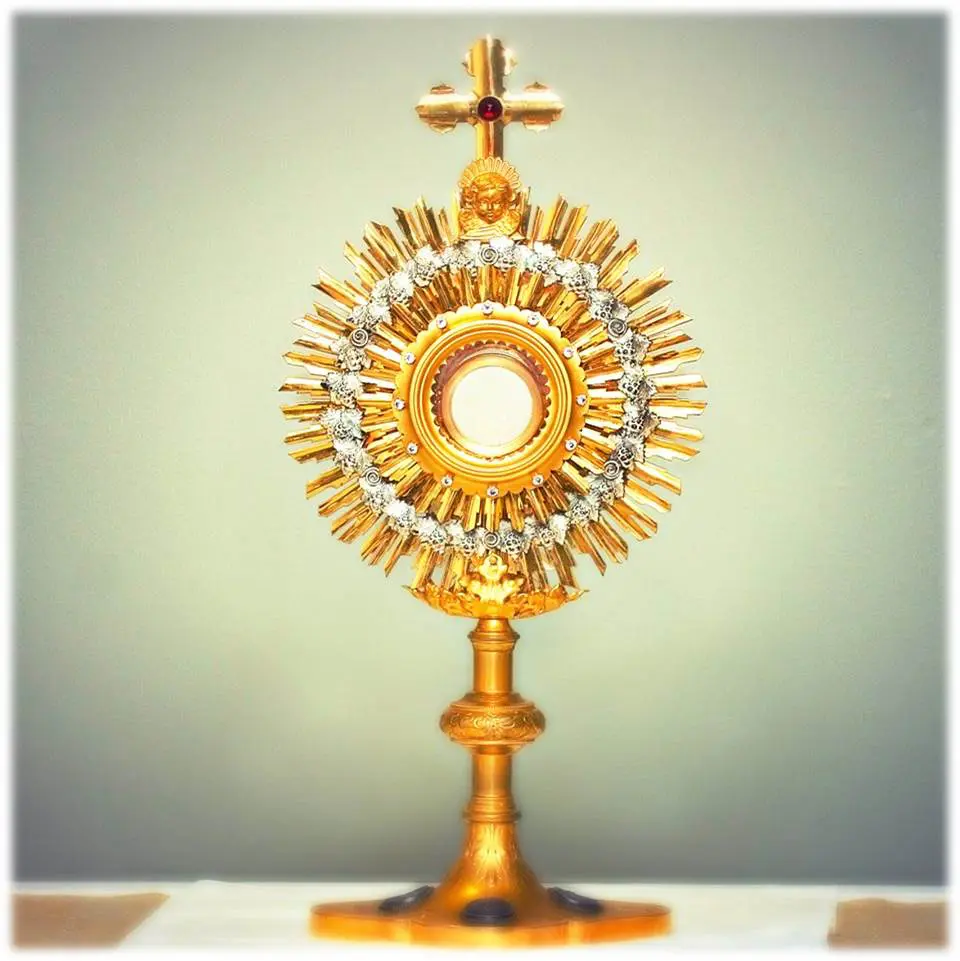
On Sunday, June 23rd, the St. Mary Immaculate Parish Year of the Eucharist officially came to an end. Beginning last year on the Feast of Corpus Christi, St. Mary Immaculate dedicated the year to highlighting the Eucharist as the source and summit of our faith.
You may have seen the Summit sign hanging over the Commons doors and wondered about what happened in the way of the Year of the Eucharist. There were many events catered particularly to the year, even if you didn’t get a chance to attend. We’ll highlight a few big events over the last year, while touching on some of the other elements associated with the Year of the Eucharist.
Eucharistic Miracles Displays
The Eucharistic Miracles displays covered the entirety of the year, being exhibited in the gym after weekend Masses on several occasions. These exhibits highlighted Eucharistic miracles from all over the world. They were affirming to our yearly theme, but also appealed to those who had never heard of Eucharistic miracles before. It was a brief history lesson that helped us grow in our love for the Eucharist.
The 177 Project
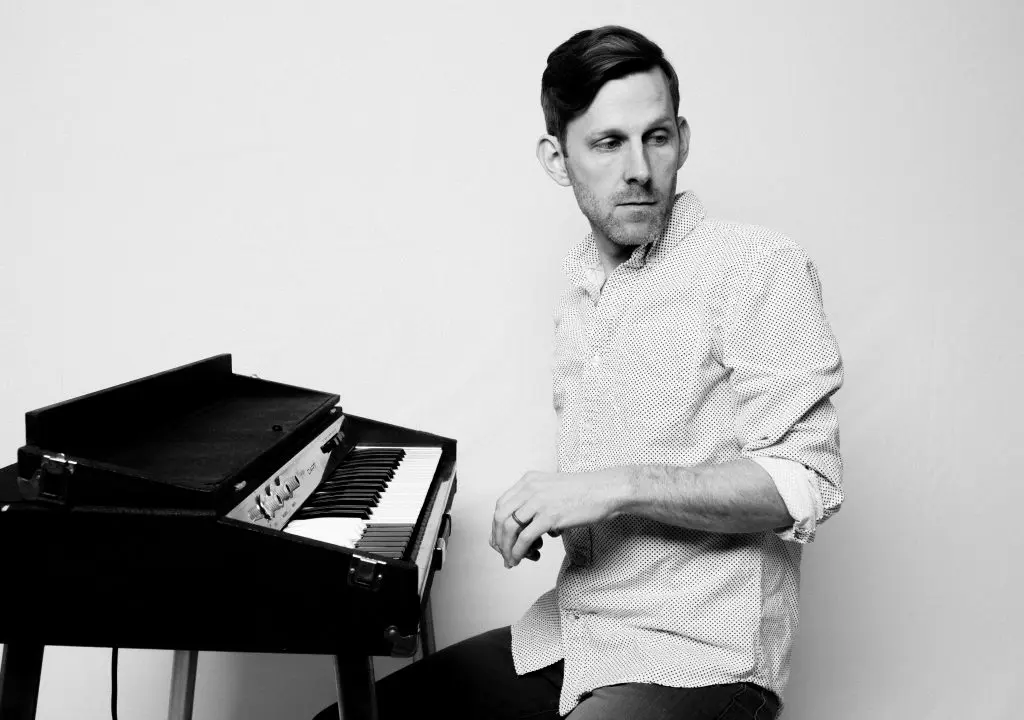
This one night event featured a night of adoration and praise music. Led by Catholic singer-songwriters from the 177 Project, we had a praise and worship night with adoration. The night was focused solely around the Eucharist, and was an extremely prayerful and fun evening.
Bishop Barron’s The Mass Series
Bishop Barron’s The Mass series was studied twice throughout the latter half of the year. Led in part by Fr. John Regan and the Fishers of Men, The Mass series focused on teaching our families about what we experience when we attend Mass.
40 Hours Devotion
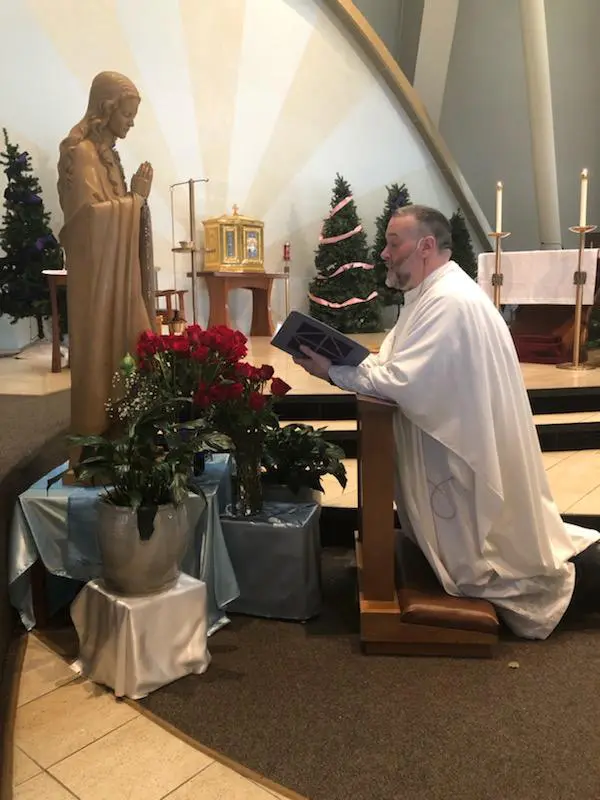
Leading up to the Immaculate Conception, the parish took part in a 40 Hour Devotion. The 40 Hours Devotion, ironically enough, was 33 consecutive hours of adoration, taking place in the Church. Many of the SMI ministries volunteered to sponsor hours of adoration, and was capped off by consecrating the parish to the Immaculate Conception on the Feast of the Immaculate Conception. It was such a joyful time of prayer, as everyone prayed for each other in the real presence of Jesus in the Eucharist.
At Mass
On a smaller level, you may have noticed little nods throughout the weekend Masses. During the petitions, the response for each petition was “Bread of Life, hear our prayer.” This was to remind ourselves that the Lord we pray to, is fully present in the Eucharist. After Communion, we prayed the Anima Christi, as a Communion meditation. The Anima Christi is such an important prayer because it highlights the reality of the Body of Christ.
And lastly, we cannot forget the Corpus Christi processions. Last year’s Corpus Christi procession was different than previous years, when different cultural groups decorated altars for our Lord. The Spanish, Polish, and Filipino ministries did the same thing this year, but the Mass was also bilingual in English and Spanish.
In conclusion, the Year of the Eucharist was a great success! We wouldn’t have had such a great year if it wasn’t for the participation of the parishioners, staff, and clergy. And to have all of these events and more for the glory of Jesus in the Eucharist made this year that much sweeter. Stay tuned when later this year, we announce a new theme for 2020!
Why Do We Need Reconciliation?
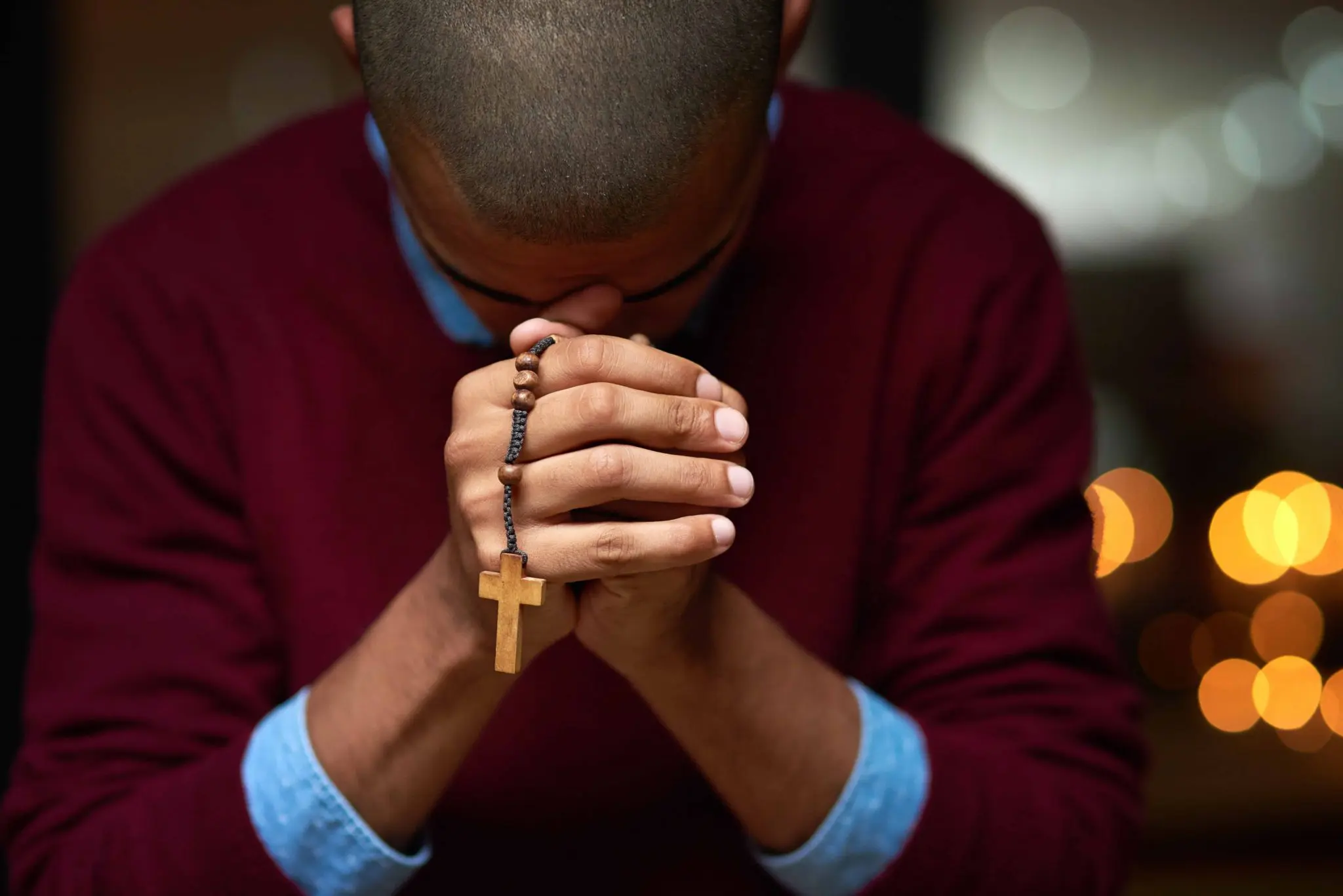
Everyone gets sick at some point in their lives. This is a fact. And after we get sick, we need medicine to heal us. The same thing happens in the spiritual life. Sometimes we may ask ourselves, “Why do we need Reconciliation?” “Why do I need to tell a priest all of the things I did wrong?” Ultimately, we need reconciliation because we need to be healed spiritually.
Reconciliation
The Sacrament of Reconciliation, often called Confession, is essential in the life of the Church. As we know from what happens at baptism, we receive life-saving graces. However, these graces don’t completely fix us. We are still human and fail constantly to live up to the standard of the Christian life (CCC 1426).
Therefore, we constantly seek conversion. We must constantly turn ourselves away from sin and into the life of Christ. This extends beyond our baptism. St. Ambrose said of conversion that, “there are water and tears: the water of Baptism and the tears of repentance” (CCC 1429). Thankfully, the Church helps us continue to live a life of holiness through the Sacrament of Reconciliation. By going to confession, we receive graces to help us avoid sin in the future on our journey.
Forgiveness
Oftentimes, we may wonder why we can’t just ask for forgiveness on our own. Because the forgiveness of sins brings reconciliation not only with God, but with the Church (CCC 1462). We must restore our relationship with God, but also with the Body of Christ, the Church. Pope Saint John Paul II says, “The forgiven penitent is reconciled with himself in his inmost being, where he regains his innermost truth. He is reconciled with his brethren whom he has in some way offended and wounded. He is reconciled with the Church. He is reconciled with all creation” (CCC 1469). After reconciliation to creation, we can participate in the life of the Church to its fullest.
We also ask ourselves, “Why do I need a priest to forgive me when God will forgive me if I ask for it in prayer or out of pure contrition?” Because the priest is acting in as the person of Christ through the sacrament of Holy Orders. “The confessor is not the master of God’s forgiveness, but its servant” (CCC 1466). Jesus gave his apostles the ability to heal and forgive sins in the name of the Father, the Son, and the Holy Spirit. Through apostolic succession, priests become the instruments of forgiveness and spiritual healing (CCC 1465). It can seem embarrassing to confess your sins to a priest, but under the sacramental seal of confession, the priest cannot under any circumstance reveal your sins (CCC 1467).
Conclusion
So, once we have confessed, received absolution, and completed our penance, we have right relationship with God and the Church, receive the forgiveness of all of our sins, and have spiritual healing. God wants us to be spiritually healthy and to be close to Him, so it is good to go to confession regularly. Check out a list of Confession times at St. Mary Immaculate, and know that God wants you to be in relationship with you, and that He loves you.
June 9, 2019
What Happens at Baptism?
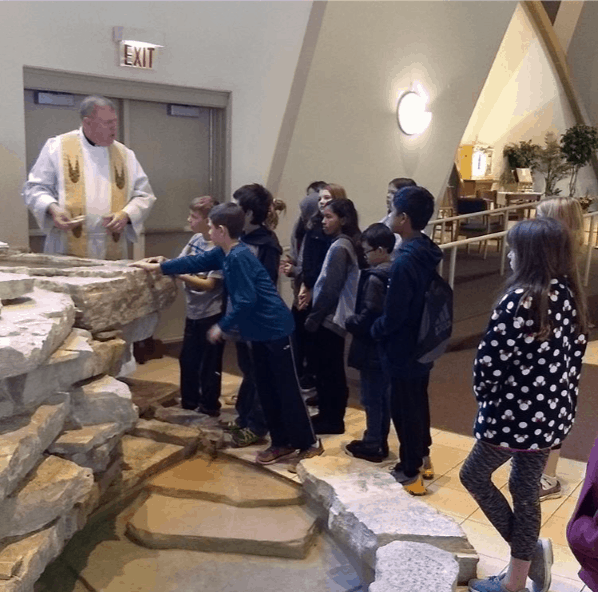
Baptism is the basis to Christian life, because it is the gateway into the life of the Holy Spirit (CCC 1213). When I was younger, if I came into Mass and there was Holy Water set up in the front, dread swept over me. Mass will be longer! No!!! But, this stance was silly, because I didn’t fully understand what was happening. So, what happens at baptism? Big picture: the baptized receive graces that carry on with them for the rest of their lives.
This article won’t touch on the specifics of getting a child baptized, but will explain what is happening spiritually. To see what the process is to get a child baptized, check out our Baptism page. There you can find a step by step on how to get a child baptized at St. Mary Immaculate.
What is Grace?
Whenever we receive any of the sacraments, we receive grace. Grace is the free gift of God’s love inviting us into deeper relationship with him. Participating in the life of God, helps us grow closer to God, and gives us strength to do so (CCC 1997). The best thing about grace, is that it’s a gift! We don’t necessarily do anything to deserve this grace, but God gives it to us willingly because He loves us. So, the big answer to what happens at baptism, is an outpouring of grace. But what are those graces?
Freedom from Sin
Did you know that the rite of baptism actually contains a minor rite of exorcism? They ain’t messing around! Because, while we have personal sin, the fall of Adam and Eve means we’re also born with original sin. So, the deacon or priest busts out the Sacred Chrism so the candidate can renounce Satan (CCC 1237). With all of your sins forgiven, you have access to the rewards of eternal life.
Rebirth
For a baptism to be valid, it needs to be done with water. Why? The word baptism is actually Greek for the word plunge or immerse. We “plunge” into Christ’s death and resurrection by submerging in the water of life and rise again as a “new creature” (CCC 1214). So, by baptism, you’re literally reborn into new life! Specifically, the new and improved you receives the grace of justification, which bestows on the newly baptized the theological virtues of faith, hope, and love, the ability to act under the promptings of the Holy Spirit, and the ability to grow in moral virtue (CCC 1266).
Member of Christ
1 Corinthians 12: 13 says, “For by one Spirit we were all baptized into one body.” Which body? Christ’s of course! And the Church makes up the body of Christ. Baptism bonds Christians together as members of Christ, and constitutes the foundation of communion among all Christians (CCC 1271). However, those looking to become Catholic should contact their parish RCIA coordinator to figure out their stage of the process in the RCIA process. Because you only get baptized once!
Indelible Spiritual Mark
Lastly, by being incorporated into Christ, baptism leaves a mark on your soul that cannot be erased by any sin. This is why we can only be baptized once, because you only receive the seal of baptism once (CCC 1272). This mark allows us to be saved through baptism.
Conclusion
So as you can see, baptism is kind of a big deal. And if you show up to Mass and discover a baptism is happening during the Mass, don’t groan and get upset that Mass will be 10 minutes longer. Instead, celebrate, knowing the baby being baptized is receiving so much grace!
Formed — Catholic Media
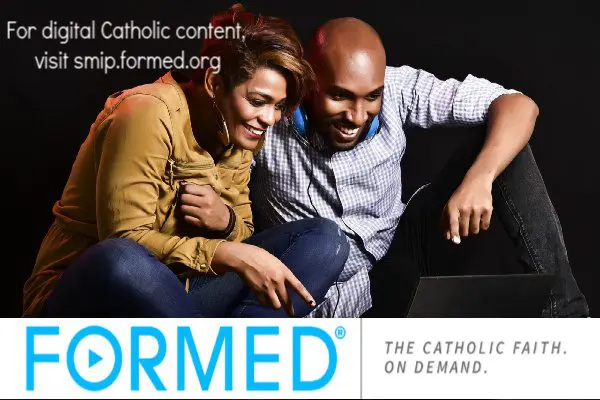
Looking for Catholic content but don’t know where to turn? Well, you’re in luck! St. Mary Immaculate Parish has a Formed subscription for our parishioners due to the positive feedback and usage of these resources.
Formed is an online resource that provides Catholic digital content on-demand. Choose from a wide selection of movies, documentaries, apologetics, podcasts, talks, audiobooks, and more! Formed is family friendly, but is also authentically Catholic. Whether you are looking to do a deep dive about the faith, or are looking for a good movie to watch with the kids, there is something for everyone!
If you haven’t signed up for Formed, visit smip.formed.org to register. It’s completely free! Once you’ve registered, you can browse hundreds of hours of Catholic digital content.
Back to News
June 1, 2019
The First SMI Blog Post of Many
Welcome to the first addition of the SMI Blog! St. Mary Immaculate Parish is always looking to provide our parishioners with great resources and content to help them on their spiritual journey.
Admittedly, this is going to be more difficult of a task than previously expected. It seems as if we drown ourselves in information; infiltrated everyday with a barrage of news and media. Why add to it? Haven’t we had enough?
In some sense, yes. Oftentimes, we catch ourselves reading a blog or article and think, “What does this have to do with me?” or “Why do I need to know about this?” Maybe for you, this is that moment!
But this blog hopes to provide parishioners with a look at the life of the parish. So many conversations, stories, life events, and prayers happen here every day. We will provide information that may not be readily explained and can often be taken for granted. And furthermore, we hope to provide you with some knowledge about the Catholic faith.
This will not be a place of spiritual reflection. Visit Fr. Pat’s blog for more on this. The SMI Blog will aid the spirituality of living life in a parish. It will touch on more practicalities of living one’s faith.
Ultimately, this is where the story of St. Mary Immaculate can unfold.